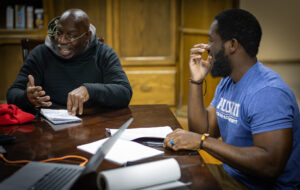
Some films begin with a script. Others begin with a decision. Bootstrap Economics falls into the second category. From the start, it asked everyone involved to step into uncertainty and figure things out as they went, the same way its story asks its characters to do.
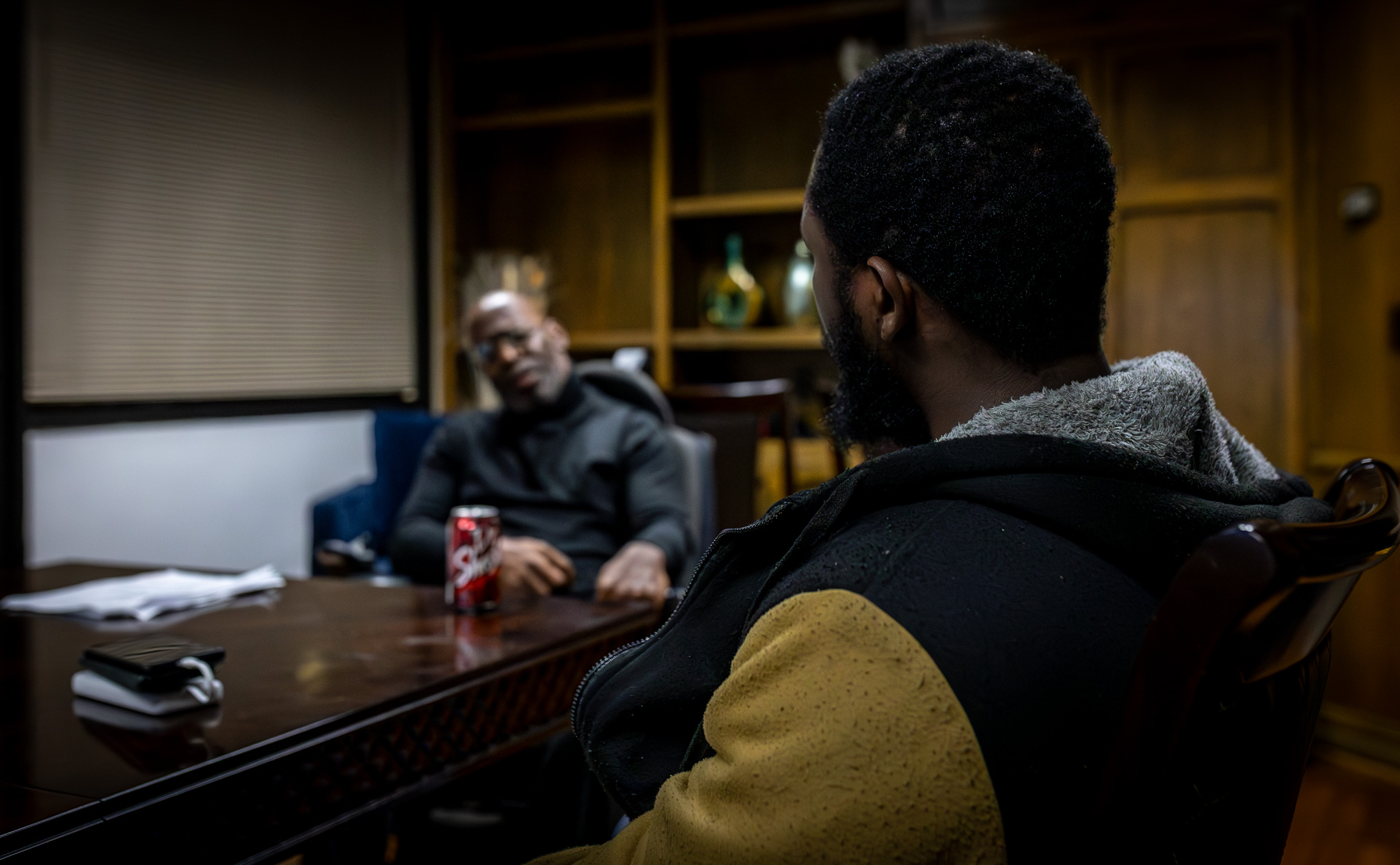
On set, that idea showed up in a very real way. A first time actor stepped into a father role that carried emotional weight and unfamiliar demands. Alongside him was an experienced actor stepping into the role of a son whose story lives more in reaction than explanation. They came from different places in their journeys, but they shared the same responsibility: make the relationship feel honest.
Instead of letting that difference create distance, they treated it like an advantage. One came in willing to learn out loud. The other came in ready to guide without ego. That exchange of effort and trust became its own version of bootstrap economics long before anyone ever said the words on screen. And it showed.
The Work Comes First
“It doesn’t matter how gifted you are. It doesn’t matter how good you are. It’s the work that you put into it.”
— Joy Ndombeson
That mindset shaped everything that happened on set. From early rehearsals to final takes, the focus stayed on commitment rather than comfort. No one coasted on experience. No one rushed past questions.
There was room to slow down, to ask why a line existed, to sit with silence when silence carried more weight than dialogue. Preparation was not treated as a formality. It was treated as respect for the story and for each other.

Joy Ndombeson: Playing What Is Not Said
Joy approached Bootstrap Economics knowing the role of David would not reward obvious choices. The script does not give David long speeches to explain himself. It gives him habits, consequences, and moments where restraint matters more than reaction.
What drew Joy to the role was exactly that.
“A lot of the unspoken things had to be shown visually,” he said. “With emotions, not words.”
His preparation reflected that approach. Instead of chasing big emotional beats, he focused on the quiet ones. The hesitation before a decision. The instinct to reach for comfort. The moment of stopping himself. David’s story lives between actions, not inside explanations.
Joy also described a process he returns to with every role. He looks for one line in the script that defines the character at their core. For David, that line was simple and heavy: “I needed you.”
That line guided everything. Beneath the stress and survival instincts, David is still a son responding to absence. You see it in how he moves through his space. In how he reacts before he reflects. In how restraint becomes a necessity rather than a virtue.
Joy trusted the audience to feel those details without being told what to feel. “You kind of have to decode it as you watch them interact,” he said. That trust is what gives the performance its weight. Nothing is pushed. Nothing is overplayed.

Acknowledging the Learning Curve
“These words I can’t pronounce… I had to call and ask for help.”
— Doc Lewis
That moment mattered. Not because it exposed inexperience, but because it showed ownership. Instead of pretending his way through the script, Doc slowed down and chose to understand it.
He broke the language apart. He asked questions. He wanted the meaning behind the words before deciding how they should land. In a story centered on scarcity, choice, and discipline, asking for help became its own form of strength. It set the tone for how the work would be done.
Doc Lewis: Learning the Language of Film
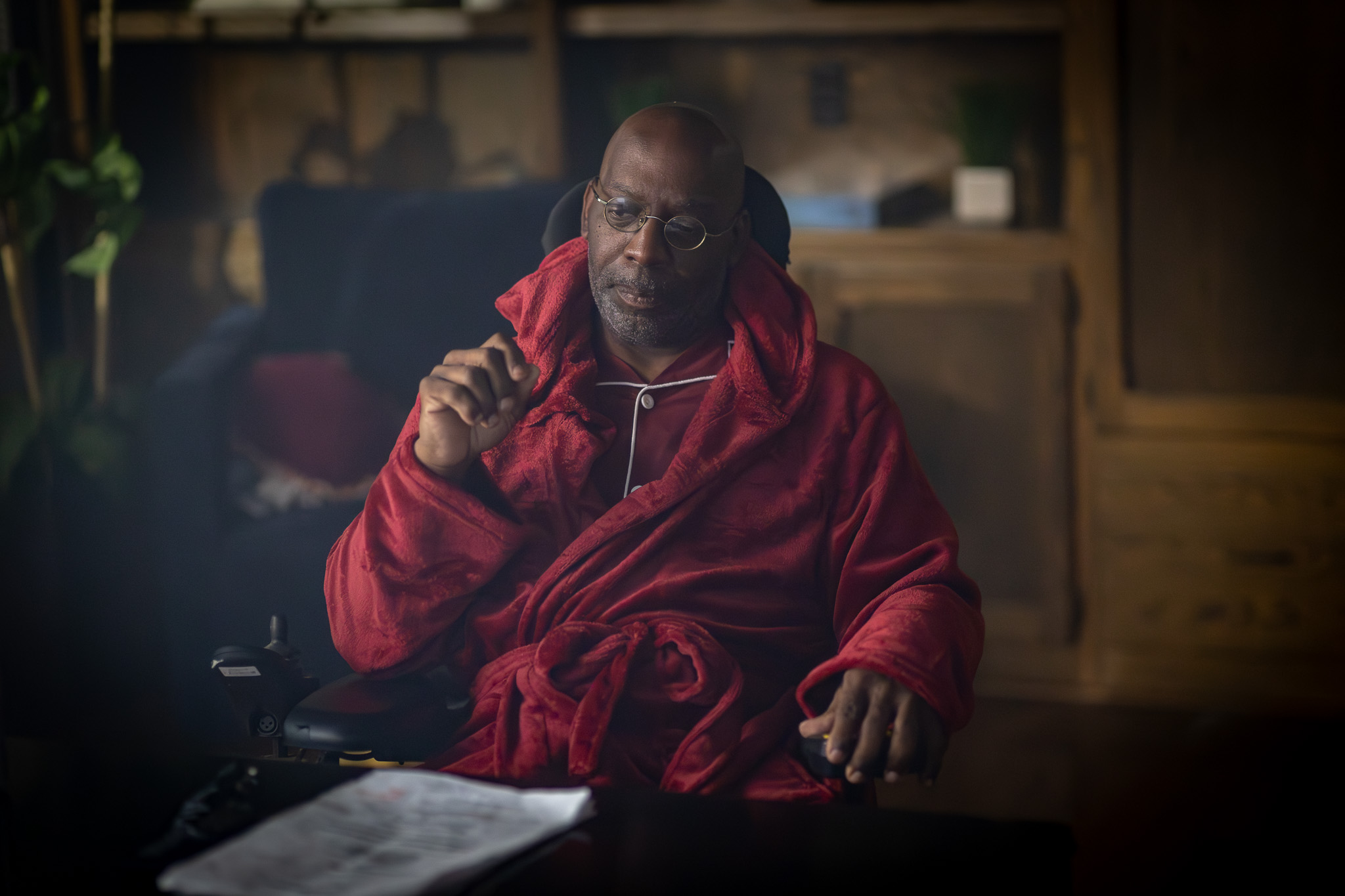
For Doc Lewis, Bootstrap Economics marked his first film role, but he did not approach it cautiously. He approached it seriously.
Film acting asked something different of him. Less projection. More control. Fewer words doing more work. The challenge was not emotion. It was precision.
Doc treated preparation like responsibility. He broke the script down piece by piece. He studied terminology until the meaning made sense. Words tied directly to the film’s themes were not glossed over. He wanted to know why they mattered, not just how to say them.
He invited Joy into his process, not as a safety net, but as a collaborator. They rehearsed together. They talked through moments. Doc adjusted posture, tone, and pacing as he learned how small choices read on camera.
Over time, hesitation gave way to confidence. Not because the role became easier, but because the work became familiar. By the time cameras rolled, Doc was not trying to prove anything. He was present. And that presence carried weight.
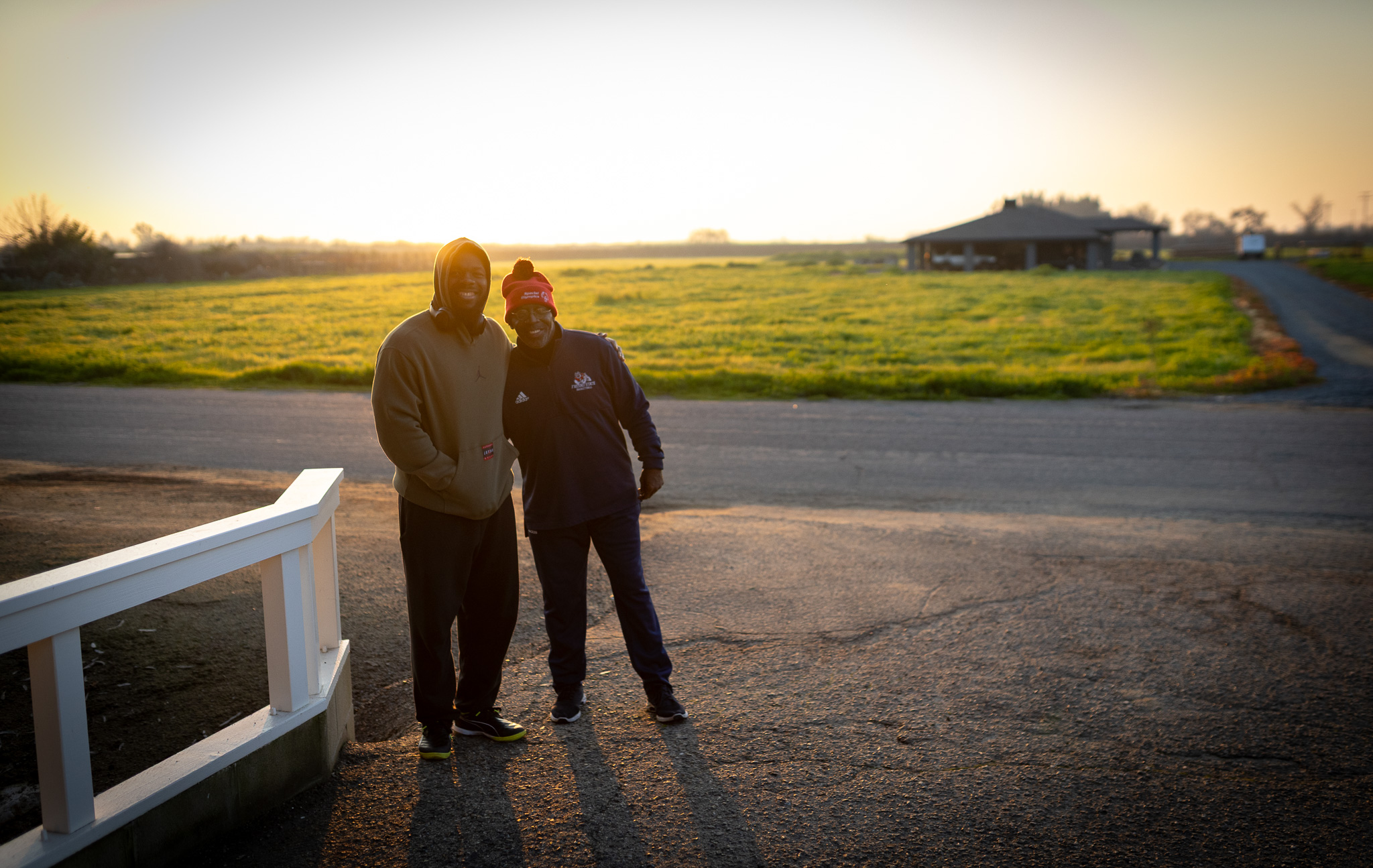
Two Actors, One Relationship
The chemistry between Joy and Doc did not happen by chance. It was built through observation, repetition, and trust.
Joy paid attention to how Doc approached learning. Doc paid attention to how Joy prepared. Each adjusted without announcement. Rehearsal became a shared language rather than a checklist.
Even lighter moments on set reinforced that bond. A voicemail played during a scene was mistaken for real life, leading to laughter and relief. It was a small moment, but it revealed how immersive the environment had become. When truth feels that close, performance stops feeling like performance.
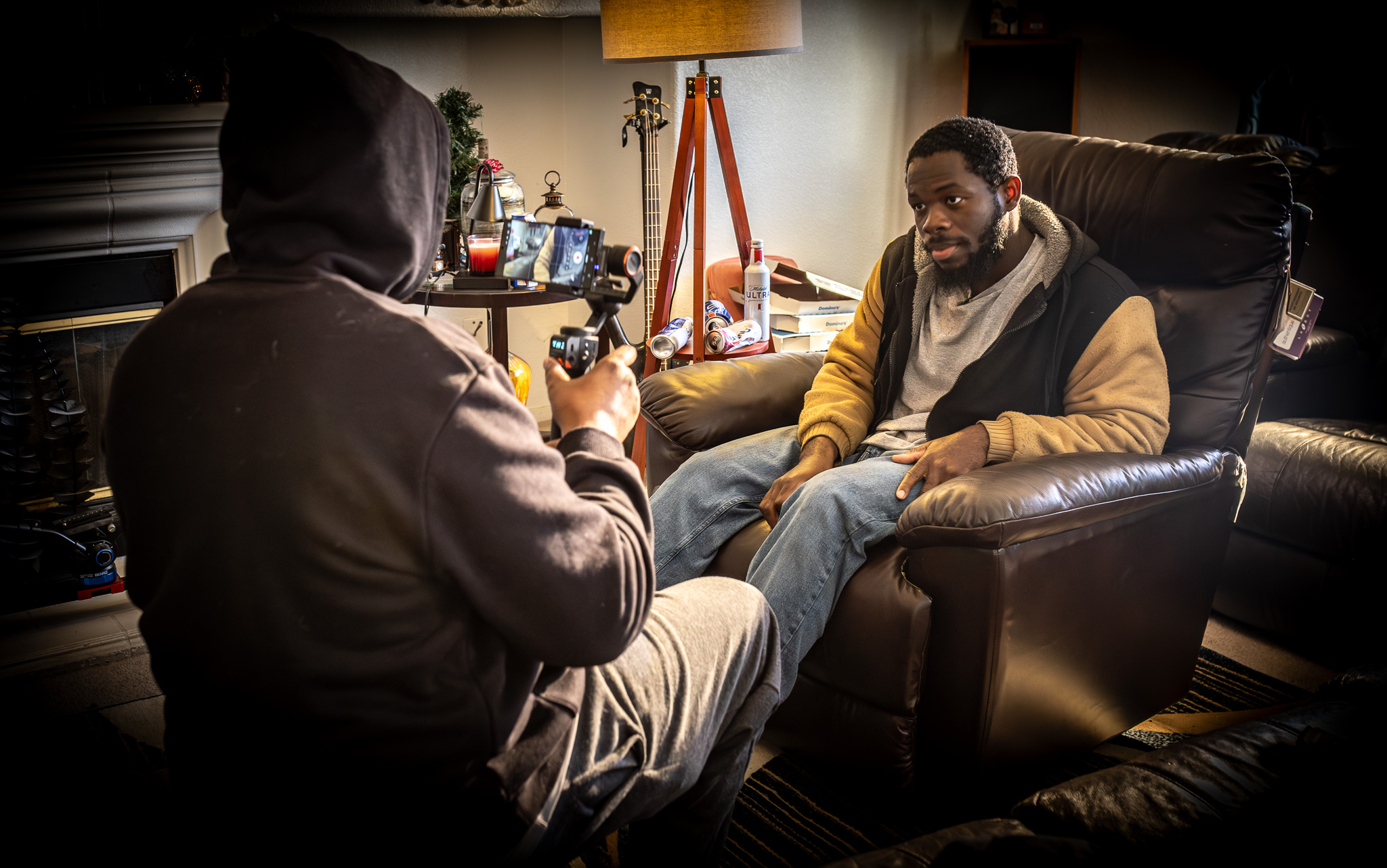
Process Over Moment
What stands out about Bootstrap Economics is not a single scene or moment, but the process that carried the work there. Nothing meaningful on this set was rushed, and nothing landed by accident.
Preparation happened early and often. Rehearsals were treated as spaces to learn, not to perform. Conversations mattered. Questions were welcomed. Guidance was shared without ego, and uncertainty was handled with patience instead of avoidance. All of that shaped the performances long before the cameras rolled.
In the end, the film becomes a reminder that acting is less about chasing moments and more about sustaining intention. When the process is respected, the work holds. And when the work holds, the performance speaks for itself.

About the Film
Bootstrap Economics is inspired by the real-world Bootstrap Economics board game, a system designed to teach financial literacy, discipline, and decision making under pressure. The film translates those principles into lived experience, placing its characters inside situations where every choice carries consequence.
The story explores how people behave when comfort is removed and clarity becomes survival. Tension is driven by decision making rather than spectacle. Performances rely on restraint. The production favors atmosphere over explanation. Every department contributes to maintaining that balance.
To learn more about the board game that inspired the film, visit
https://bootstrapeconomics.co/

About the Writer and Director
Jide Kol is a writer and director whose work centers on discipline, consequence, and human behavior under pressure. His storytelling favors structure over spectacle, using restraint and intention to explore how people make decisions when comfort is stripped away. With Bootstrap Economics, Kol translates complex ideas around choice, responsibility, and growth into a grounded, character-driven narrative that prioritizes emotional truth and process-driven filmmaking.
Bootstrap Economics is written and directed by Jide Kol, supported by an ensemble cast and a production team committed to telling the story with discipline and care. The film’s execution reflects the collective effort of everyone involved, both in front of and behind the camera.
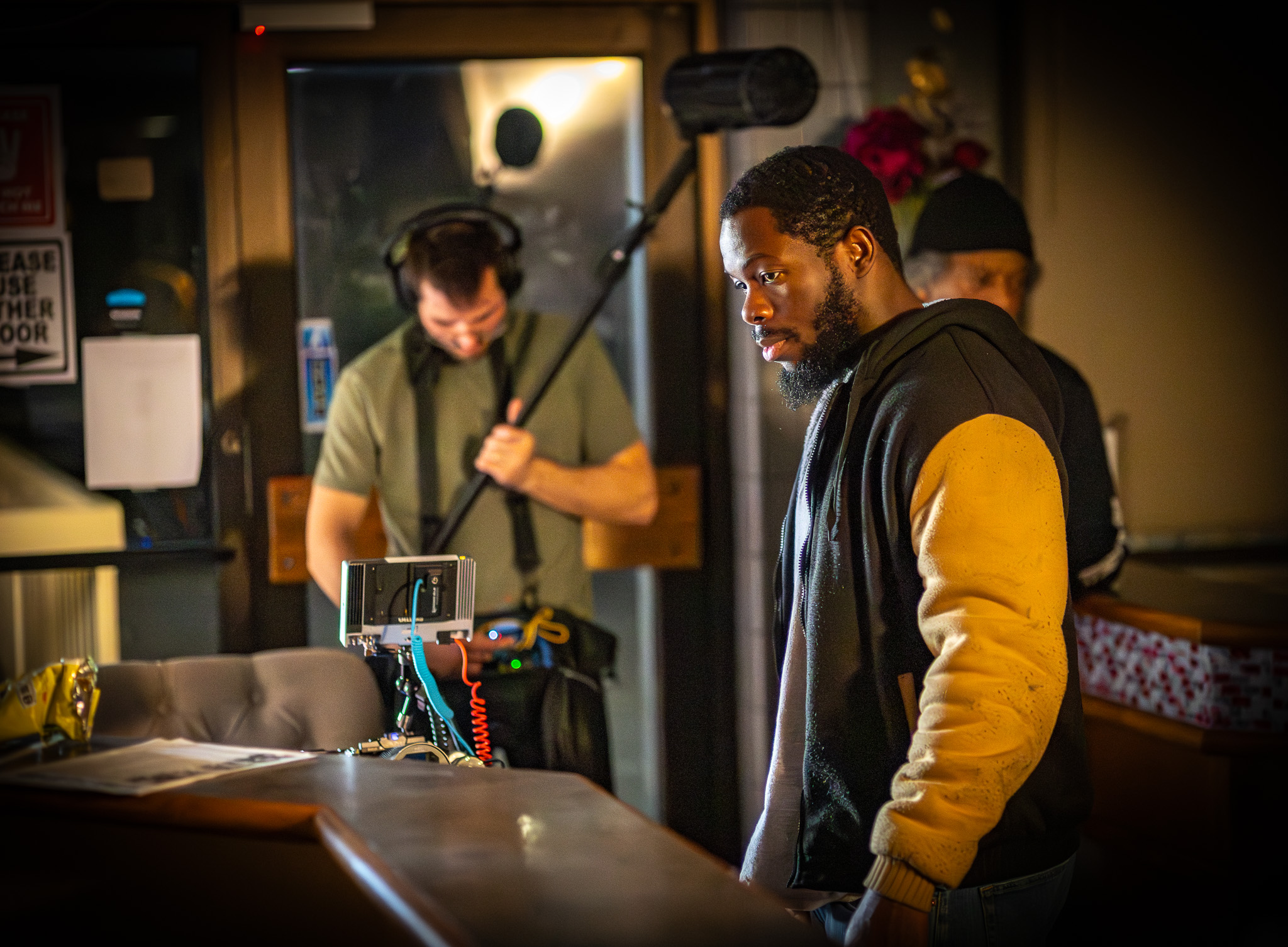
The process was documented by NUVIO Studios, offering a behind-the-scenes look at how preparation and collaboration shaped the final work.
The film is scheduled for release in Summer 2026.