Film Title: BROTHERS (2026)
Writer / Director: Alexander Quezada
Marcus: Juan Romero
Jay: Jonathan Silva
Assistant Director / Cinematography: Landon J. Costa
THE LOCKE REVIEW
Brothers
I first encountered BROTHERS on a quiet evening while reviewing a handful of independent submissions that had recently come across my desk. As someone who has spent many years watching films from emerging storytellers around the world, I have developed a habit when approaching new work.
The first viewing, I don’t watch the film at all.
I simply listen.
Dialogue. Breathing. Silence. Atmosphere.
Because sometimes a story reveals its emotional truth before we ever see a single frame.
When I listened to BROTHERS that first time, I immediately felt something simmering beneath the dialogue. There was tension there. Not theatrical tension, but something far more uncomfortable and real.
The kind that exists inside families.
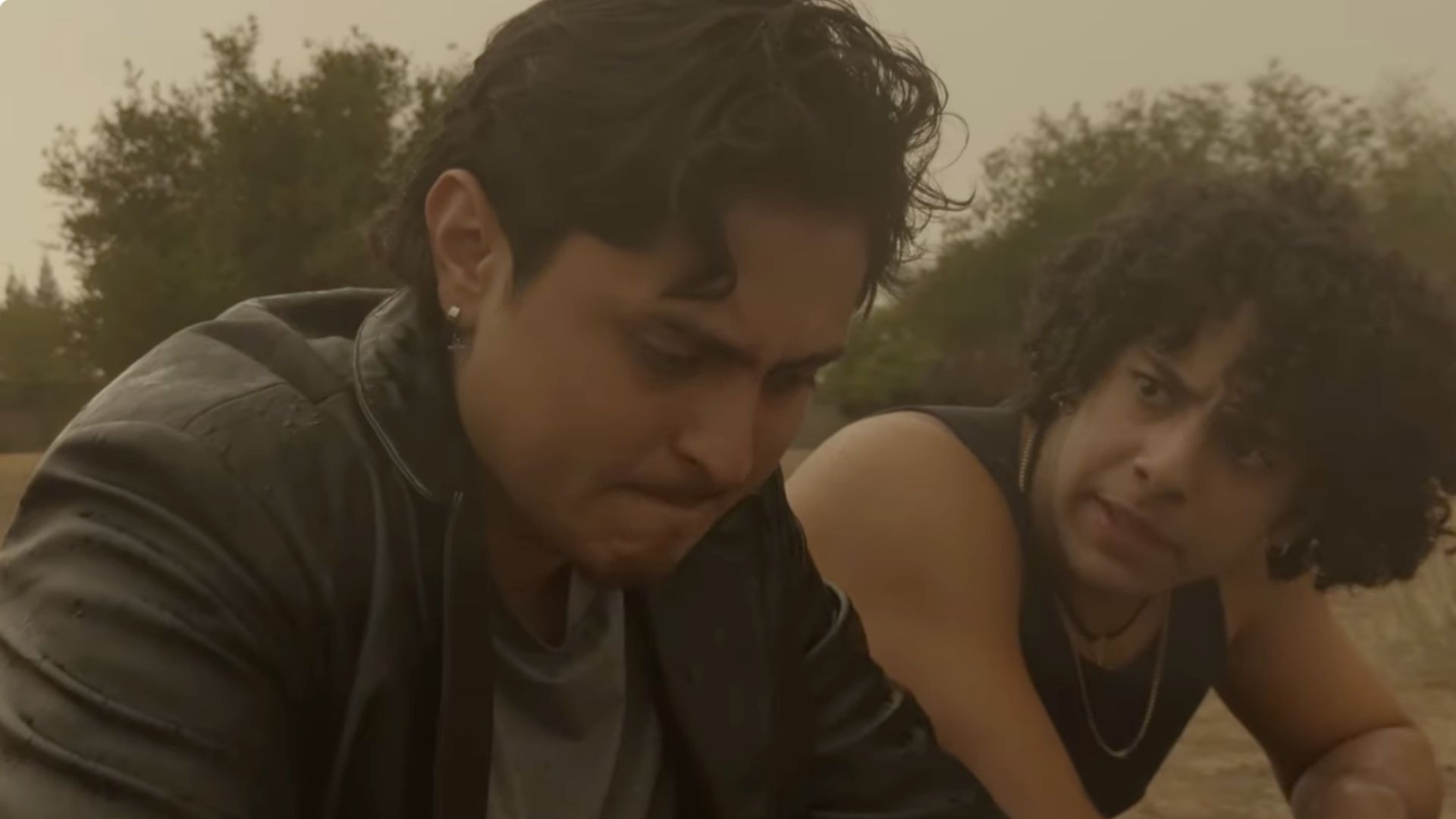
When I watched the film a second time, allowing the visuals to finally join the voices I had already heard, the emotional weight of the story became much clearer.
Writer and director Alexander Quezada has constructed a deceptively simple premise: two brothers, Jay and Marcus, meeting after years of absence. But within that simplicity lies a confrontation shaped by pain, memory, and the long shadow of childhood trauma.
What struck me in this opening exchange is the restraint. There is no rush to explain everything to the audience. Instead, the film allows the tension between these two men to breathe.
Marcus, played by Juan Romero, carries himself with a guarded calm. Jay, portrayed by Jonathan Silva, seems to carry something far heavier beneath the surface.
Their conversation begins almost cautiously.
But it doesn’t stay that way for long.
The performances here deserve recognition. Independent films often rely heavily on their actors to carry emotional authenticity, and both Romero and Silva deliver moments that feel deeply grounded.
There is an honesty in their exchanges that never feels forced.
You begin to sense that the real subject of this film isn’t just brotherhood.
It’s absence.
What happens when someone who should have been there… wasn’t.
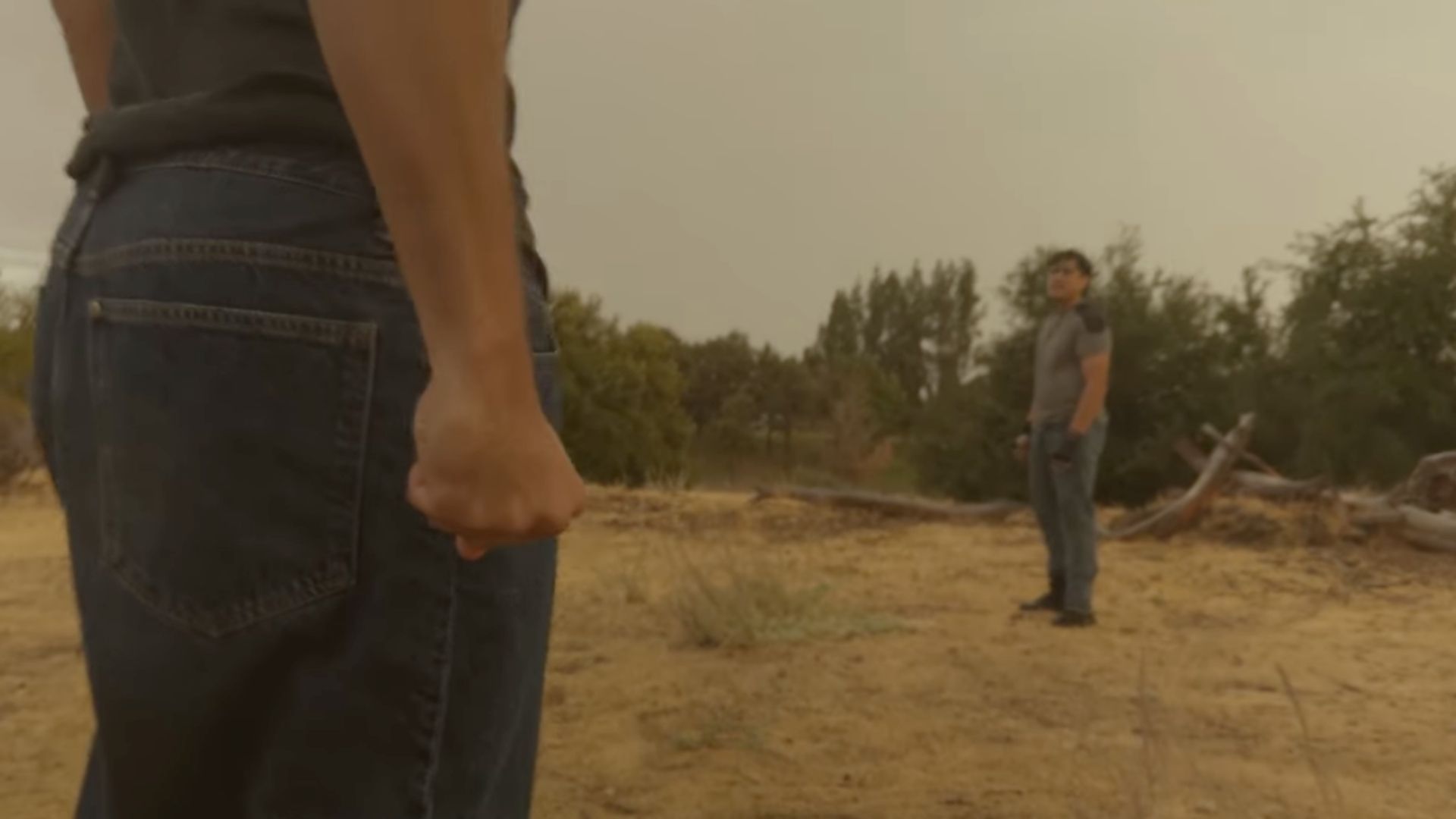
The confrontation that follows becomes the emotional center of the film. Jay unleashes years of buried anger toward Marcus, accusing him of abandoning him during a childhood shaped by abuse.
The writing in this moment is particularly effective because it resists melodrama. Instead, it leans into raw honesty.
Jay’s words are not poetic.
They are painful.
And that’s exactly why they resonate.
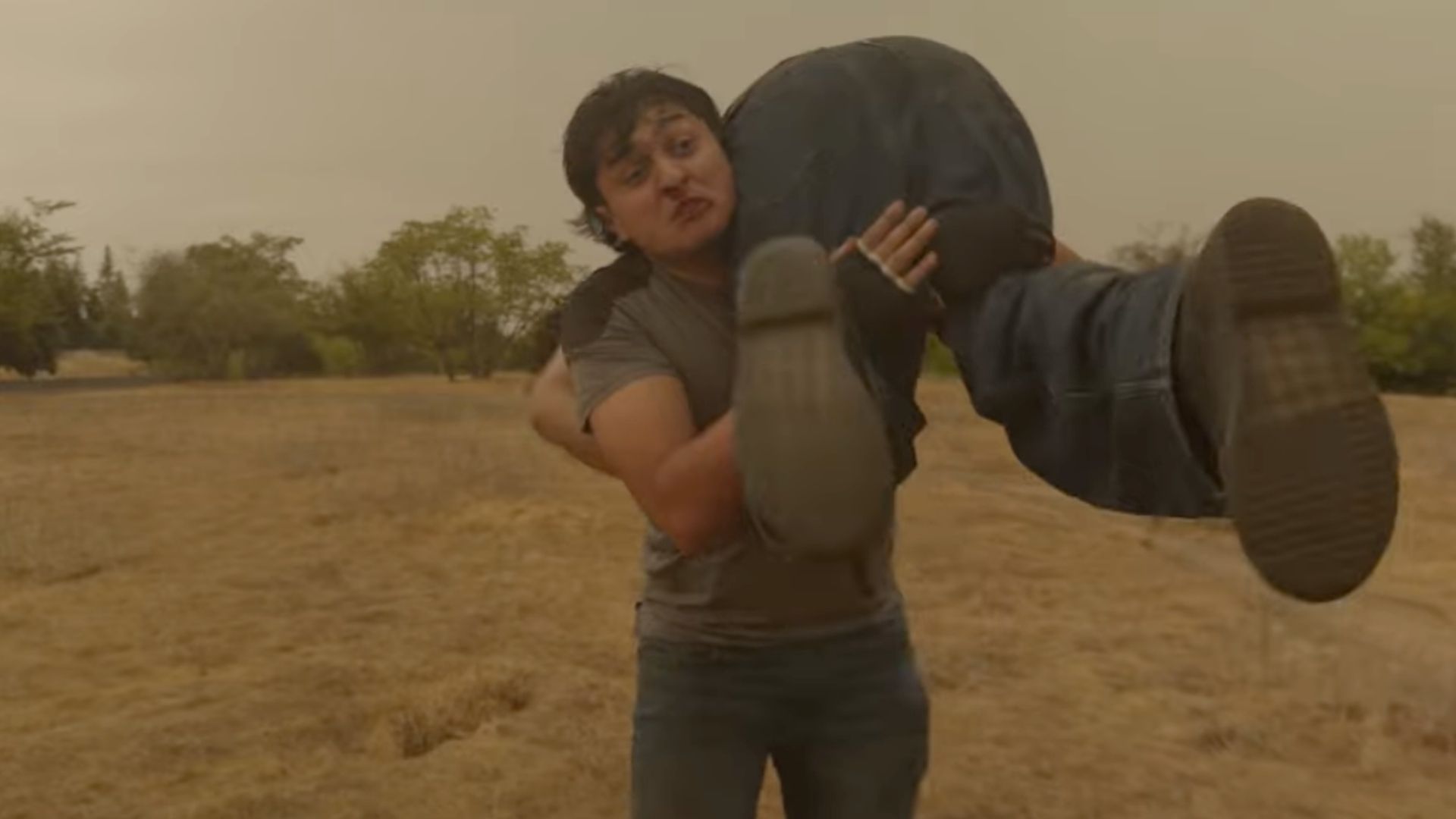
Watching this scene unfold, I found myself reflecting on how rarely films explore sibling relationships with this level of emotional vulnerability.
Cinema often focuses on romance or friendship. But sibling bonds carry their own complicated history, shaped by shared experiences that outsiders rarely see.
BROTHERS understands this.
The film asks a difficult question:
What happens when forgiveness arrives years too late?
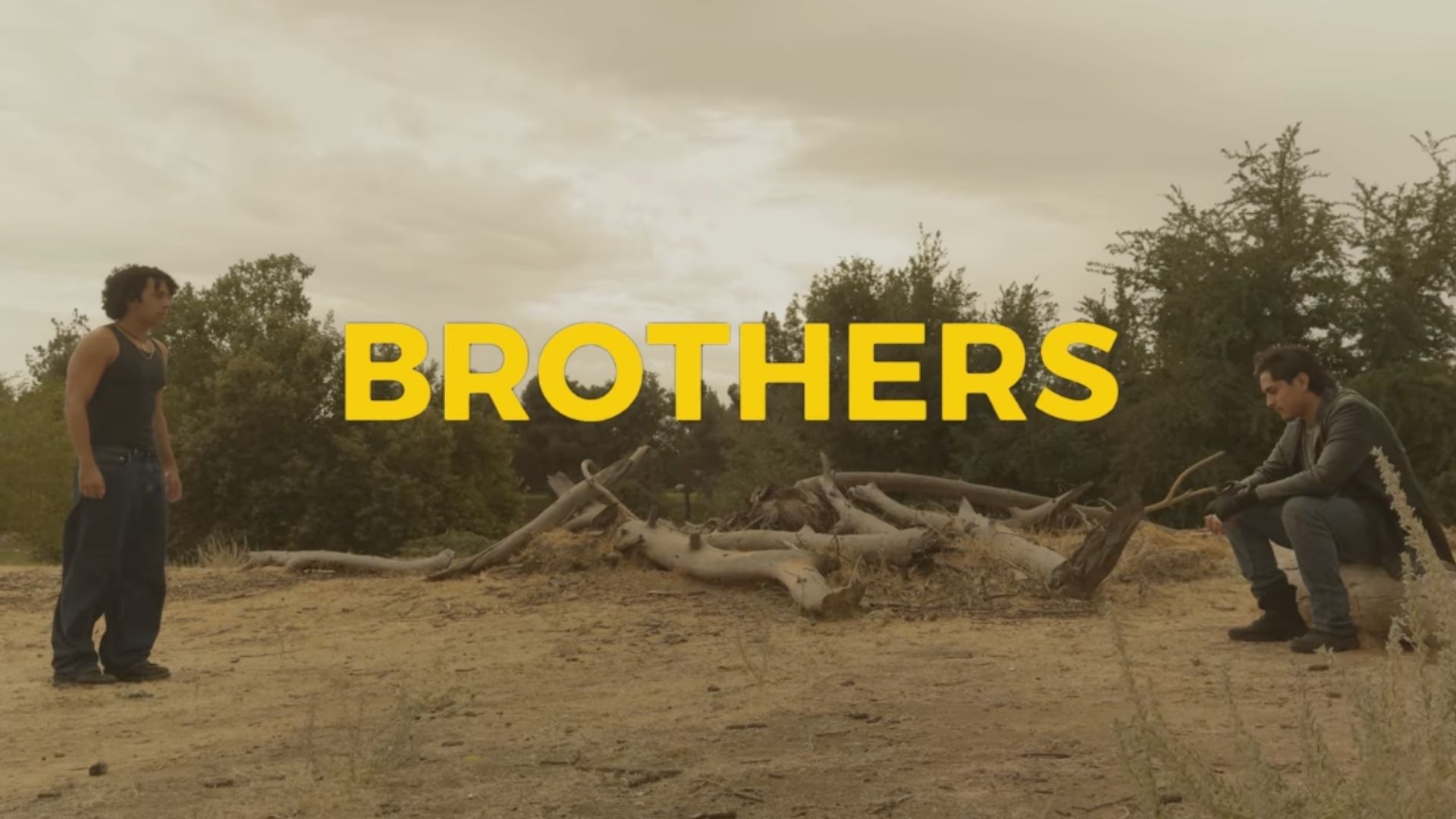
From a technical perspective, the film embraces simplicity. The cinematography keeps the audience close to the characters, allowing their expressions and body language to do much of the storytelling.
There are no elaborate set pieces here.
Just two men, a field, and the weight of years that neither of them fully understood until now.
Sometimes that’s all a story needs.
As someone who has spent many years around filmmakers, I often say that the most powerful films are not always the ones with the largest budgets or the most complex plots.
They are the ones willing to tell the truth about human relationships.
And in that sense, BROTHERS succeeds.
Because when the final moment arrives, what lingers isn’t just the confrontation.
It’s the quiet recognition between two brothers who have finally said what needed to be said.
And sometimes… that’s where healing begins.
SUBMIT YOUR FILM
If you are a filmmaker and would like your film considered for The Locke Review, you may submit your film through NUVIO.
Selected films will receive a written review and audio reflection by Adrian Locke highlighting storytelling, performances, and creative direction.
Click here to submit your film
EDITORIAL DISCLAIMER
The Locke Review represents the personal reflections and commentary of Adrian Locke based on the submitted film.
All films remain the property of their respective creators. Embedded videos and film excerpts are used with permission for editorial review and commentary.